
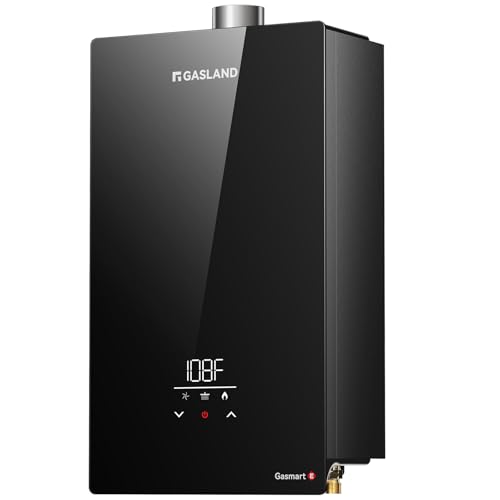
An exterior wall in a utility room, garage, or basement offers the easiest exhaust path. Place it close to main fixtures to avoid long hot water delays.

Fit steady hot water into narrow mechanical closets with shallow indoor propane heaters designed for tight wall clearances and safe direct exhaust venting.

Solar heaters produce the least warmth when you need heat most: cold nights and cloudy days. High setup costs also mean you still need a dependable backup.
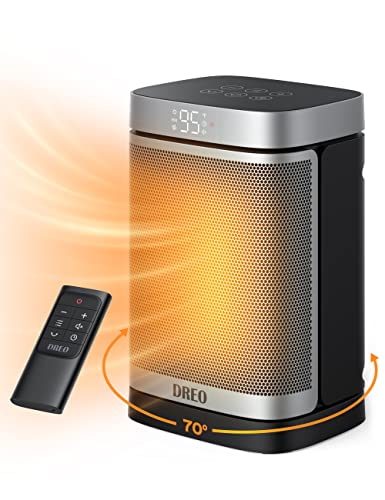
Ditch erratic temperatures and soaring power bills. Match your bedroom with a quiet heater featuring auto-modulating Eco wattage for steady overnight warmth.

Certified ceramic and oil-filled heaters with automatic shutoffs are the safest choice. Plug directly into a wall outlet and keep three feet of open space.

Solar water heaters still absorb heat through clouds, but heavy rain needs a backup element. Manage your settings to avoid cold showers and high power bills.

Solar electric heaters cannot warm a bedroom, but small setups work well for chicken coops and pet shelters. Find out where they make sense before you buy.

Warm your desk without background fan buzz disrupting video calls. Select low-wattage, quiet heaters built for tight clearances and distraction-free focus.
A flashing red light usually means a dirty heat sensor, an unlit pilot, or normal operation. Count the flashes to find the cause and safely reset your unit.
Stop getting out of bed to tweak stubborn heat dials. Lock in exact room temperatures with dimmable digital readouts, quiet fans, and full-function remotes.
All 1500-watt heaters pull the same power, but delivery style dictates runtime. Match ceramic, oil, or radiant heat to your room to prevent power bill spikes.
Plug-in basement water heaters need GFCI outlets, but hardwired tanks depend on local codes. Check your setup to pass inspection and prevent power shutoffs.

Storage tanks cost less upfront, while tankless heaters save space if your electrical panel has room. Match your fuel and daily use to prevent cold showers.

Warm a drafty cubicle without loud fan hum disrupting your calls. Gentle oscillation, whisper-quiet decibels, and a compact base keep small desks comfortable.
Older gas water heaters keep a small flame lit day and night, but newer models light only on demand. Check which system you have and what to do if it goes out.

Winter in New Zealand runs from June through August, with July the coldest month. Expect alpine snow down south, mild rain up north, and pack warm layers.
Warm chilly rooms directly without cranking whole-house heat. Portable heaters deliver fast, personal warmth while keeping energy use and safety in check.

Warm cold feet during remote work without loud fan noise on calls. Compare compact ceramic heaters and silent radiant panels built for tight desk legroom.
Radiant heaters use quartz glass, heating wire, and aluminum reflectors inside fire-rated housing to throw direct heat without melting parts or toxic fumes.

Radiant heaters lower electric bills by warming you directly, not the air. See when direct heat saves money, when it wastes power, and how to run it cheaply.





