A fireplace insert seals an open hearth, pulls in cool room air, and pushes steady heat back out with a built-in blower instead of losing it up the chimney.
Stop freezing drafts and save propane by sealing camper vents and windows, skirting the base, and choosing safe heat while controlling indoor dampness.
Building a safe wood-burning fireplace takes a solid concrete footer, heat-resistant firebrick, and proper chimney sizing to stop smoke from backing up.
Seal cold drafts along the door, add simple panel insulation, and pick safe heat to keep your garage workspace warm all winter without running up electric bills.
Set your ceiling fan to spin clockwise at low speed in winter. This pushes trapped heat down the walls into your living space without creating a chilly draft.
Light dry logs without kindling using tight paper knots, cardboard, or starter cubes in a top-down stack. Warm the flue first to prevent smoke in the room.
Stop cold air leaks around windows and doors, clear blocked heat vents, and trap warmth inside your cold room all winter without spiking your energy bill.
Prevent smoke from filling your room. Open the damper, warm the chimney, and stack large logs under kindling to light a clean, steady fire on the first try.
The Winter Olympics does not have one permanent mascot. Each host city designs its own character to reflect local culture, alongside a Paralympic partner.
Stop cold drafts and trap indoor heat without cranking your thermostat. Seal leaky windows, block chilly door gaps, and keep every room warm on a budget.
Follow simple steps to safely ignite your gas fireplace pilot, clear trapped air from the line, and keep the flame burning once you let go of the control knob.
Seal hidden drafts around windows and doors, adjust your ceiling fans, and trap heat in the rooms you use to stay warm without spiking your heating bill.
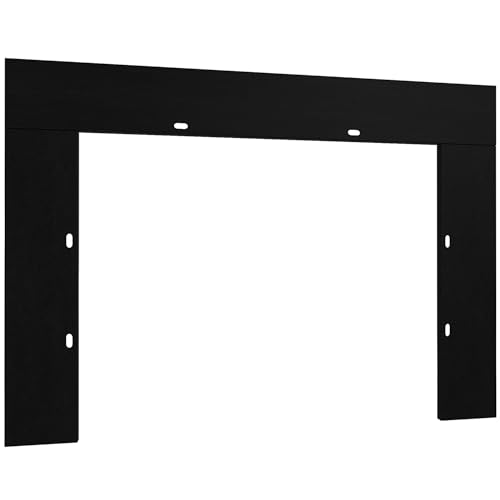
Measure safe heat clearances, frame the opening with the right studs, and finish borders neatly so your new fireplace insert fits without fire hazards.